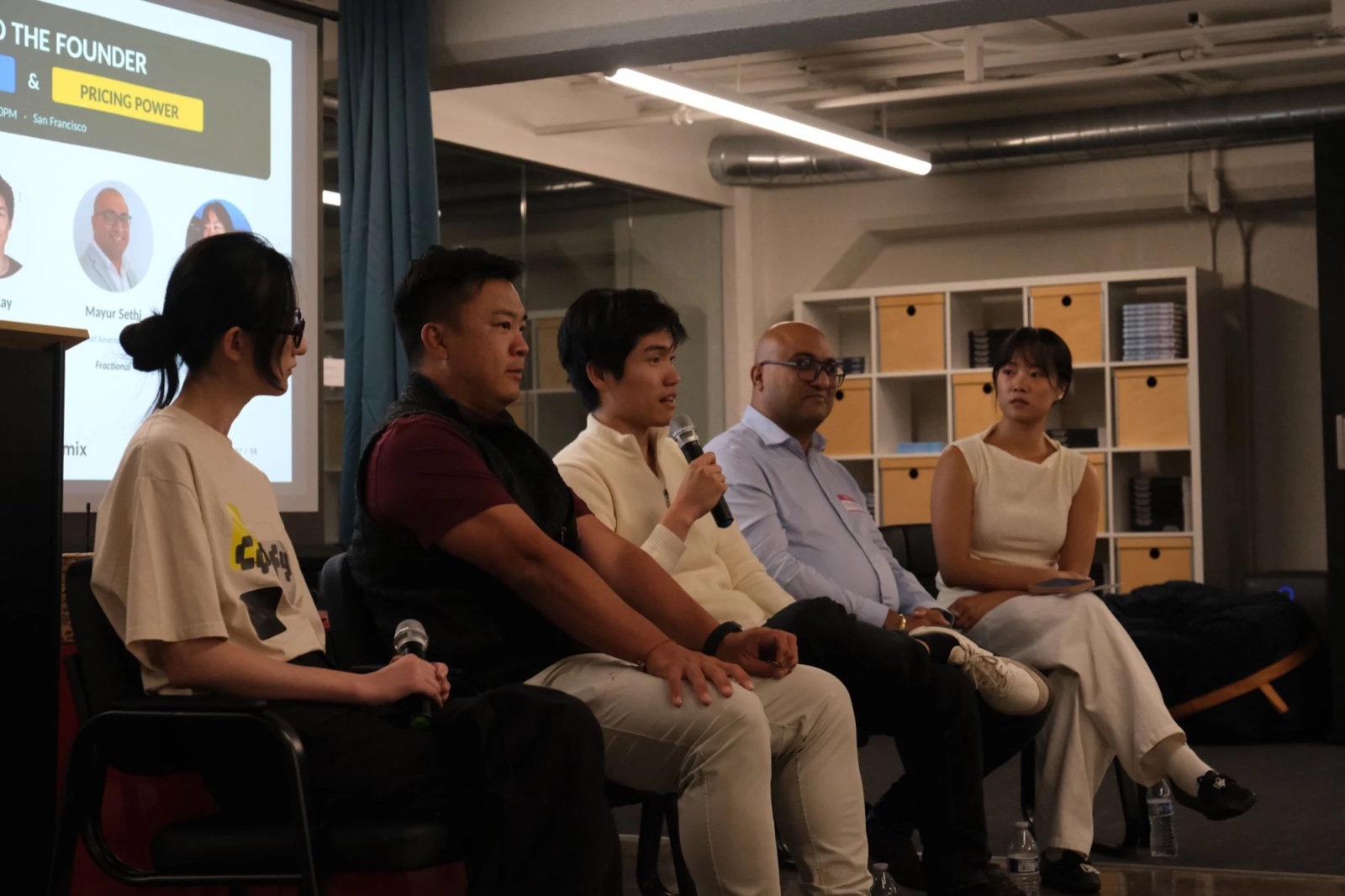
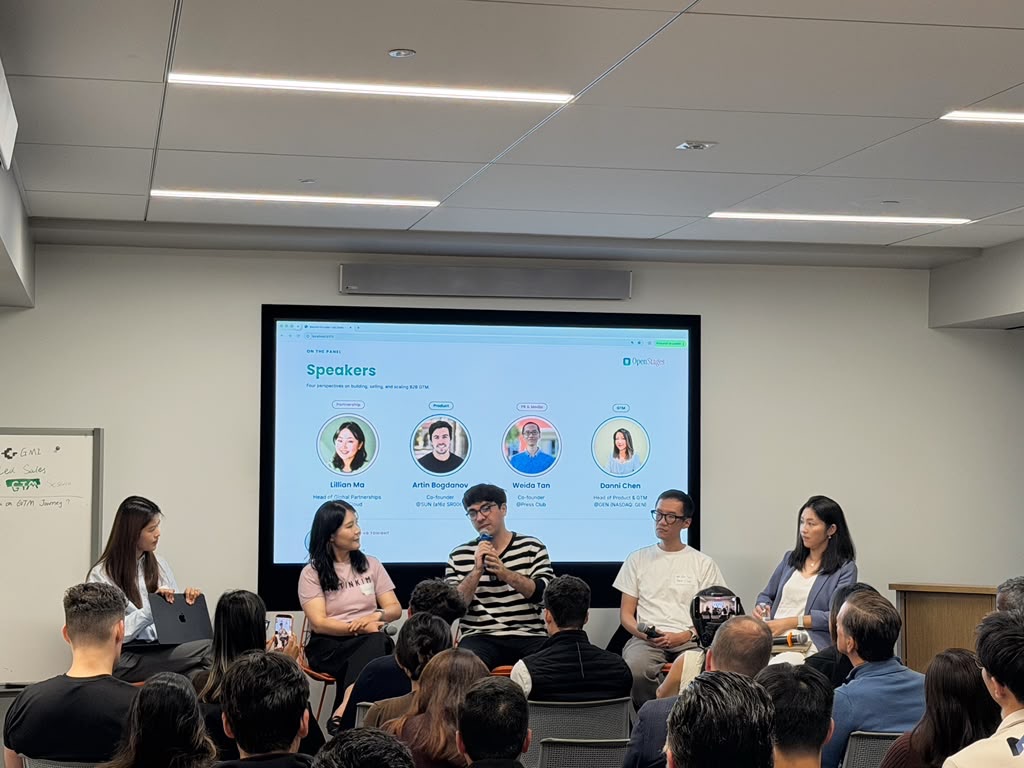
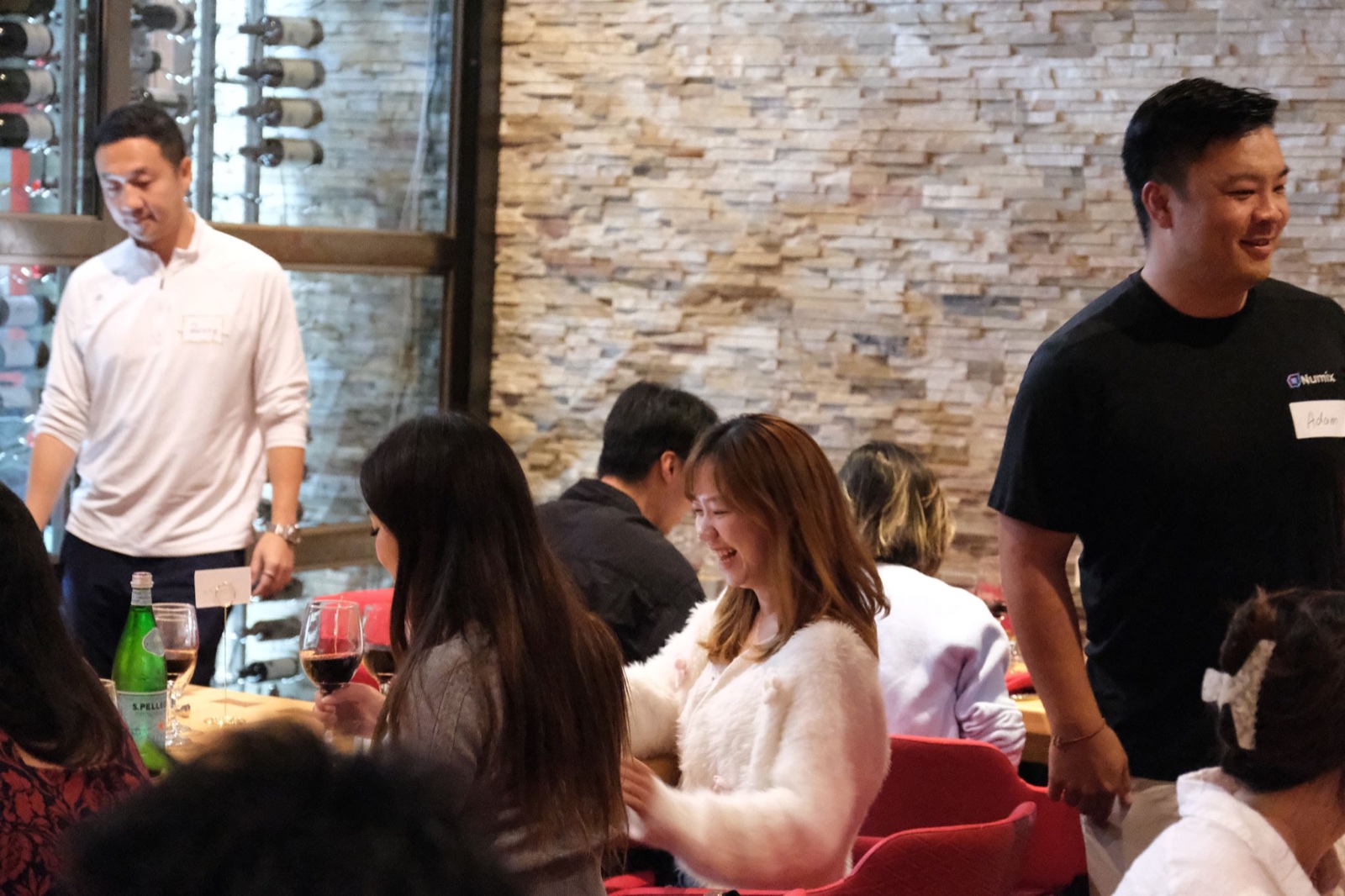
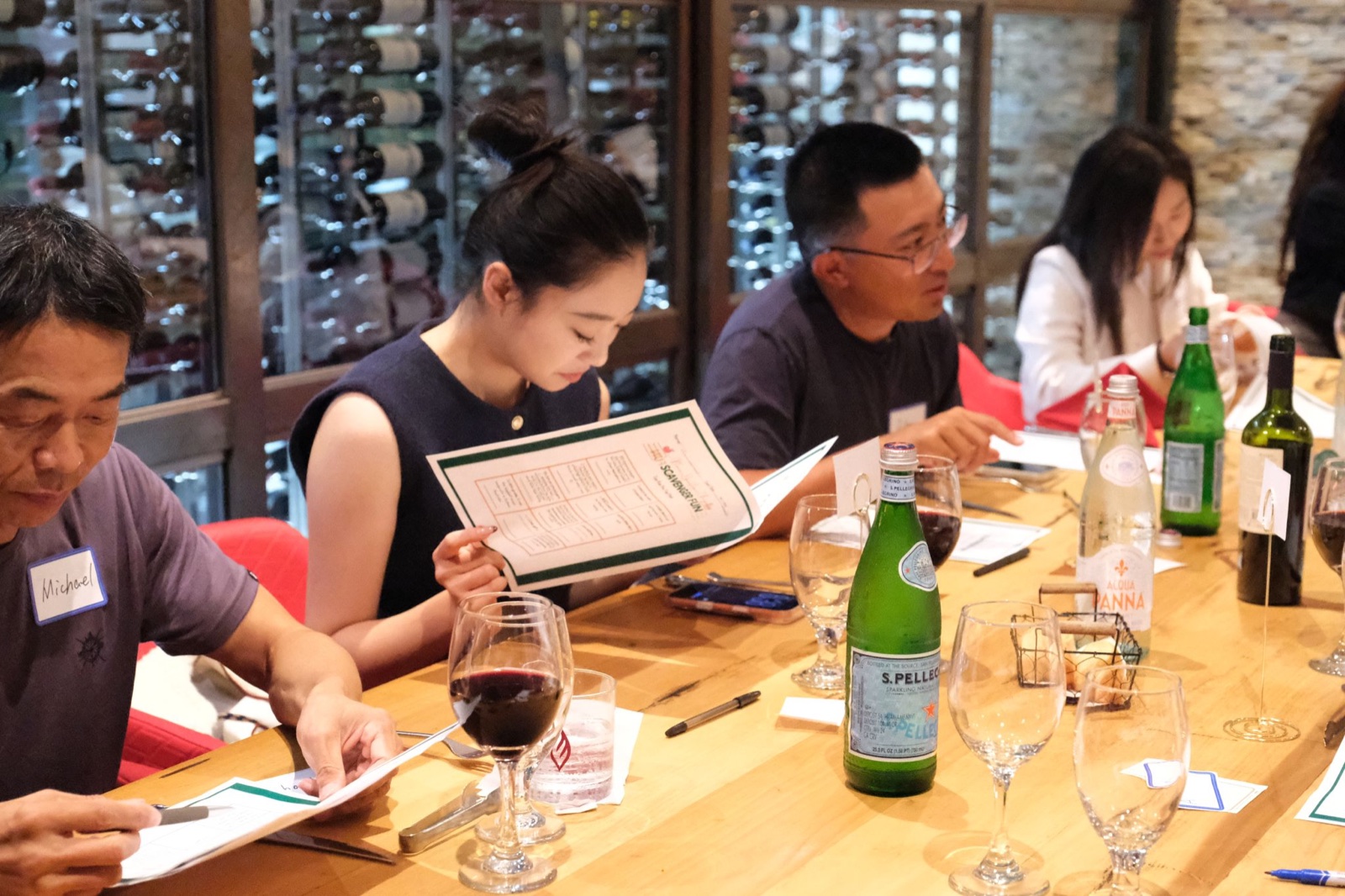
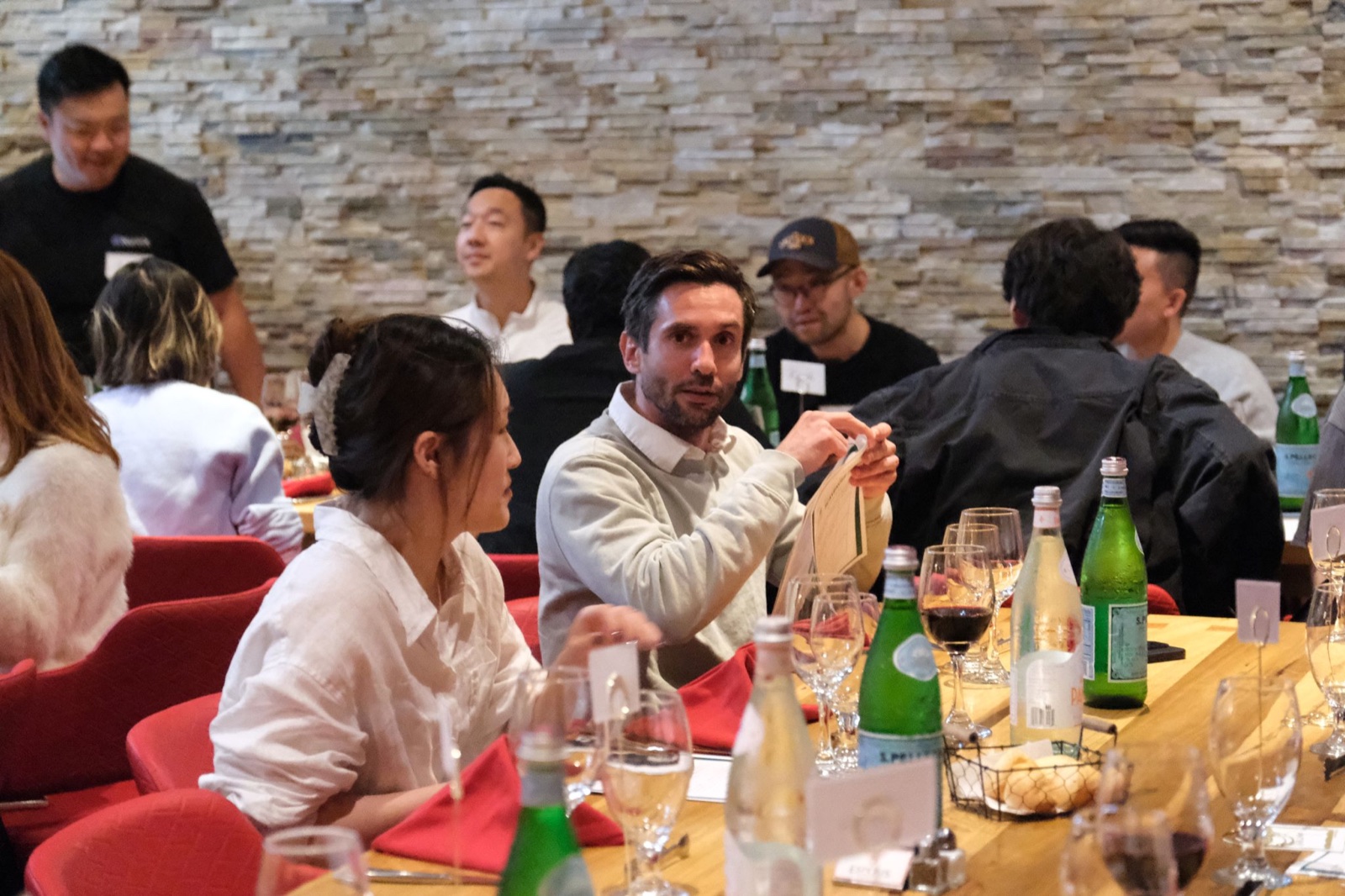
Together with Chargebee and Numix, OpenStages brought around 30 founders together for a private dinner in the Bay Area. There was Brazilian barbecue, wine, a long table, and a room full of people building and scaling companies. The format was intentionally simple: sit down, eat well, and give good conversations enough time to become useful.
By Bay Area event standards, 30 people is a small gathering. That was the point. The evening was not designed to maximize registrations, badge scans, or the number of introductions someone could collect. It was designed to help founders meet peers who understood the same kind of days—and stay with a conversation long enough to learn something real.
What was the private founders dinner?
It was a curated dinner for around 30 founders, hosted by OpenStages with Chargebee and Numix. The guest list focused on venture-backed companies from Seed through Series B that were already in market or scaling toward it. The room was assembled for relevance: founders at comparable stages, complementary industries, and no need for a formal panel to get the conversation started.
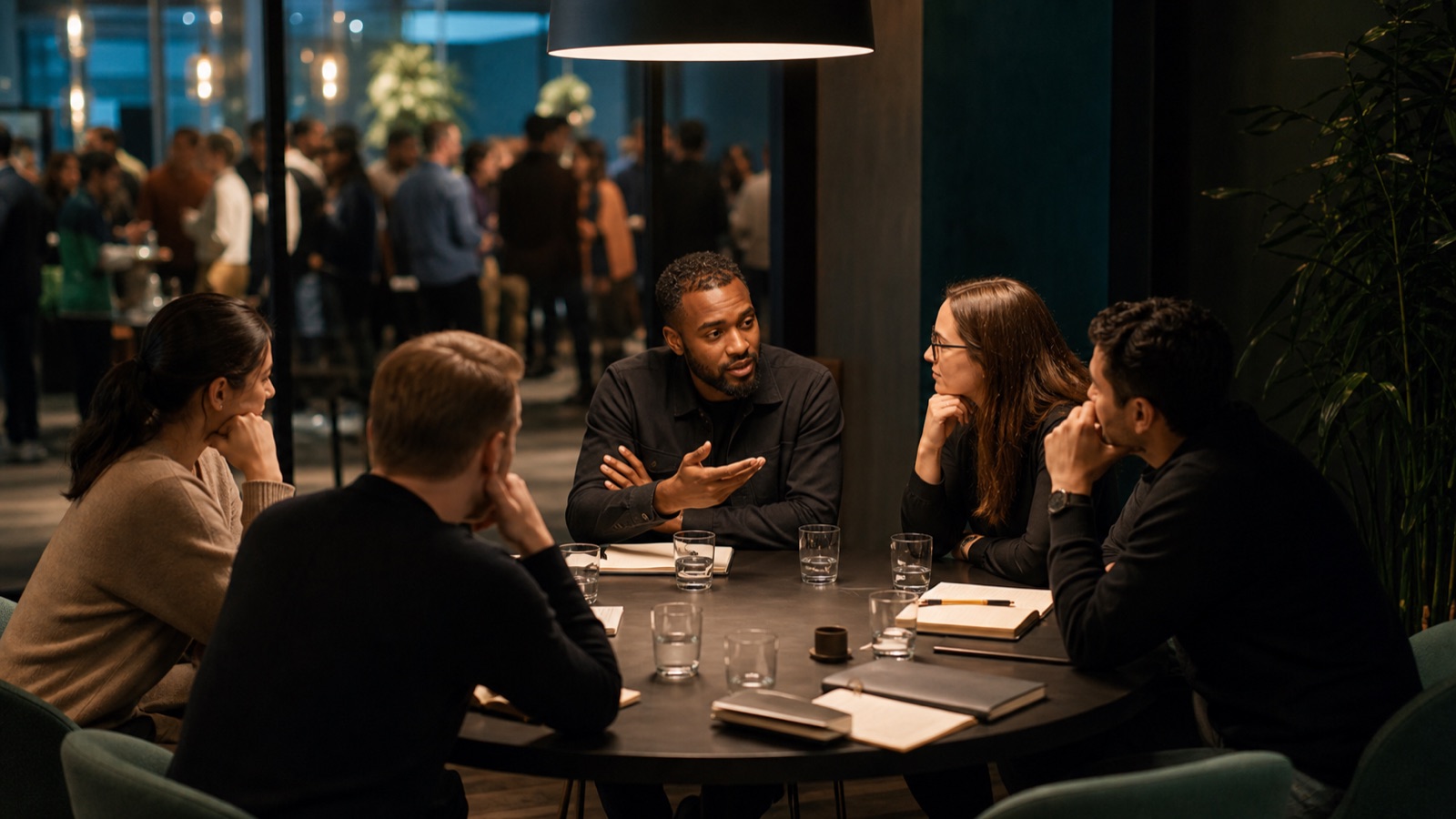
Instead of a stage and an audience, the center of the event was the table. Founders traded notes on fundraising, go-to-market decisions, customers, hiring, and the operational questions that appear once a company moves from proving an idea to scaling it. No one had to turn those experiences into a polished talk first.
Why does a curated founders dinner create more value?
A curated founders dinner reduces the time people spend searching for relevance. When guests share a company stage but bring different markets and operating experience, the room starts with useful context and still leaves space for unexpected ideas. The result is less generic networking and more honest peer exchange.
Curation is not simply choosing impressive names. It means asking whether two people will have something specific to compare, whether the room contains complementary knowledge, and whether direct competitors would make the conversation less open. A strong guest list gives everyone a reason to contribute and a reason to listen.
- Shared stage: founders can discuss decisions with people facing similar constraints.
- Complementary experience: different industries produce useful pattern recognition without turning the table into a competitor briefing.
- Small enough for continuity: people can return to a conversation instead of repeatedly starting from an elevator pitch.
- Clear purpose: guests know the room is for practical exchange, not transactional networking.
Why does dinner work better than a standard networking event?
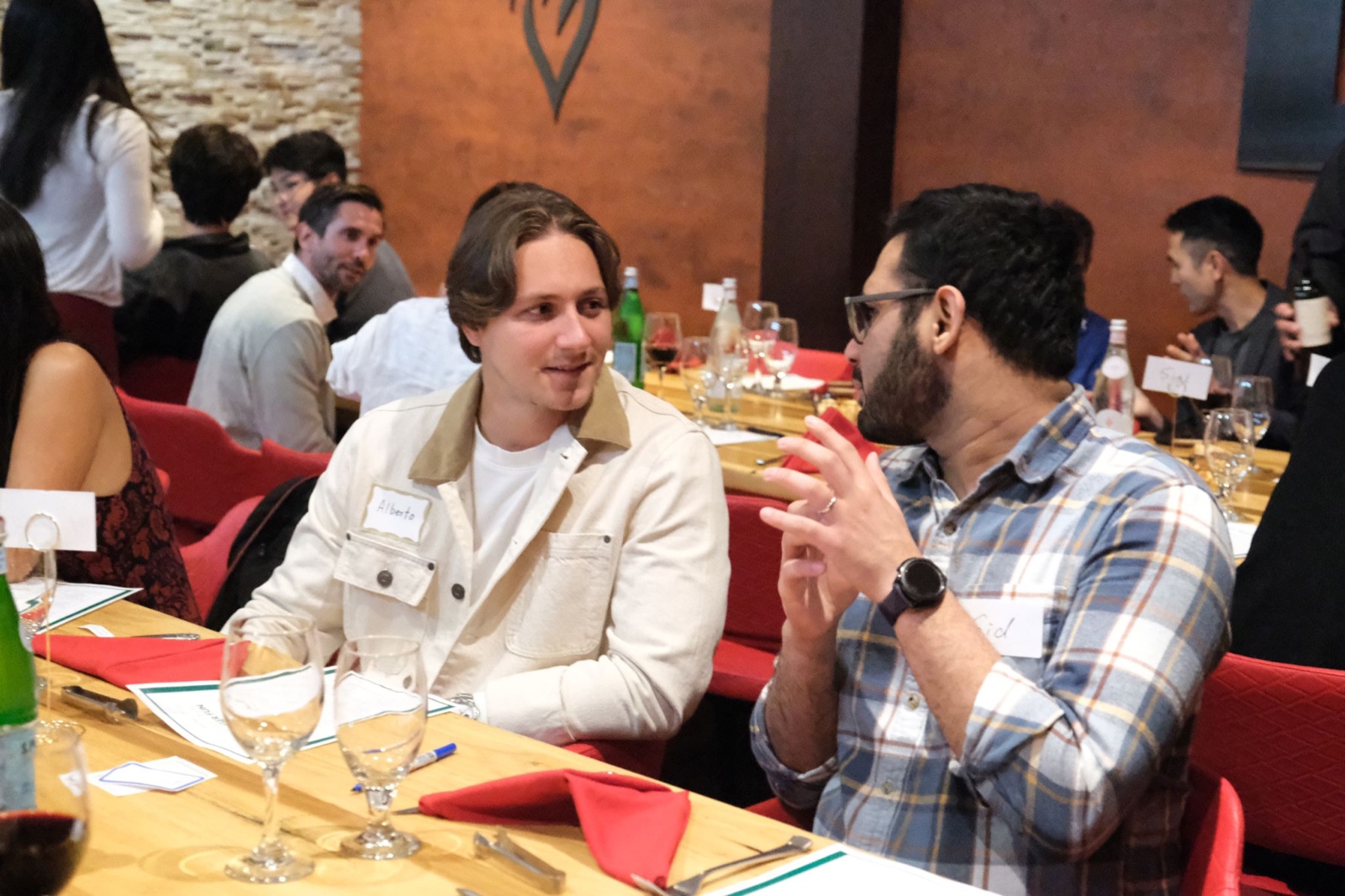
Dinner changes the pace. A shared meal creates a natural beginning, middle, and end, so people do not have to keep deciding whether to leave one conversation for the next. That extra time helps founders move from what they are building to how they are actually building it—and where they are stuck.
Food also makes the room feel less performative. The strongest moments rarely need an agenda: a founder explains a pricing problem, someone across the table has seen a version of it before, and another person adds a customer or fundraising perspective. The value comes from the combination, not from one person being positioned as the expert.
A good founder dinner is not a smaller conference. It is a different kind of room.
What did we learn from hosting this dinner?
The guest list is the product, hospitality is part of the format, and restraint matters. The room did not need more programming. It needed relevant people, food worth staying for, and enough uninterrupted time for the group to find its own depth.
Four principles we will carry into the next dinner
- 01
Curate for the conversation, not the logo wall
A recognizable company name can help, but stage, openness, and complementary experience do more to improve the table.
- 02
Make the invitation specific
People participate differently when they understand who the room is for, why they were invited, and what kind of exchange the host wants to create.
- 03
Protect time at the table
A short welcome can frame the evening. After that, long blocks without presentations or forced rotations let trust and useful detail accumulate.
- 04
Design for the follow-up
The dinner is valuable when a conversation continues afterward—as a customer introduction, a hiring lead, a partnership, or simply a peer relationship worth keeping.
What is the value for companies that co-host a founder dinner?
For a company, co-hosting a curated founder dinner creates a high-trust way to meet the market. Instead of placing a logo around a generic event, the partner helps convene a useful room around a real audience or problem. The brand is remembered as part of the value people received.
The best partnership begins with a clear question: which founders should know one another, and what conversation would be worth their evening? OpenStages can turn that question into the event concept, guest mix, invitation strategy, venue experience, and follow-up content. If your company wants to bring a focused founder community together in the Bay Area, we would love to design the next table with you.
Thank you to the people behind the table
Thank you to Baargav Duggirala from Chargebee, Adam Cai and Helene Zheng from Numix, and OpenStages hosts Jiaying Li and Yuxuan (Toronto) D. Most of all, thank you to every founder who spent the evening with us and made the room generous, candid, and easy to stay in.
Hosts and partners
Frequently asked questions
Who should attend a private founders dinner?
The strongest guest list has a clear shared context. For this dinner, the focus was venture-backed founders from Seed through Series B who were in market with paying customers or actively scaling toward that stage. Other dinners can be curated around a sector, role, operating challenge, or company milestone.
How many people should be at a curated founder dinner?
There is no single correct number, but the room should be small enough for conversation to carry across the evening. This OpenStages dinner brought together around 30 people. A more intimate single-table format may use fewer seats; the right size depends on the venue, purpose, and guest mix.
Can my company co-host a founders dinner with OpenStages?
Yes. OpenStages works with companies and communities to shape the concept, curate the guest list, plan the invitation strategy, run the room, and create follow-up content. Use the event partnership form on this page to share your audience, topic, timing, and goals.