Agentic AI Day
From Models to Systems That Act




 Glasser
 ZentrikAgentXStructureLayerLensWandero AIGrum




Speakers and judges
Short technical talks from the teams building what agents run on.

Arjun Chintapalli
Co-founder @ rtrvr.ai
“Engineering Free Agents: Code Mode, Cache-Maxxing, and Continual Learning”
Most browser agents rent the model as the runtime: screenshot, LLM call, click, repeat. Ours is free and paid for by ads, so every token has to earn its place. In code mode, the model writes one program instead of taking 100 tool turns, because a for-loop shouldn’t cost tokens. Cache-maxxing sorts each prompt into volatility tiers, which took our cache hit rate from 24% to 87% at 50× less cost per cached token. With continual learning, every user run teaches the agent fleet how a site works, cutting steps per run by 27%. Live, I’ll turn this event’s guest list into personalized outreach.
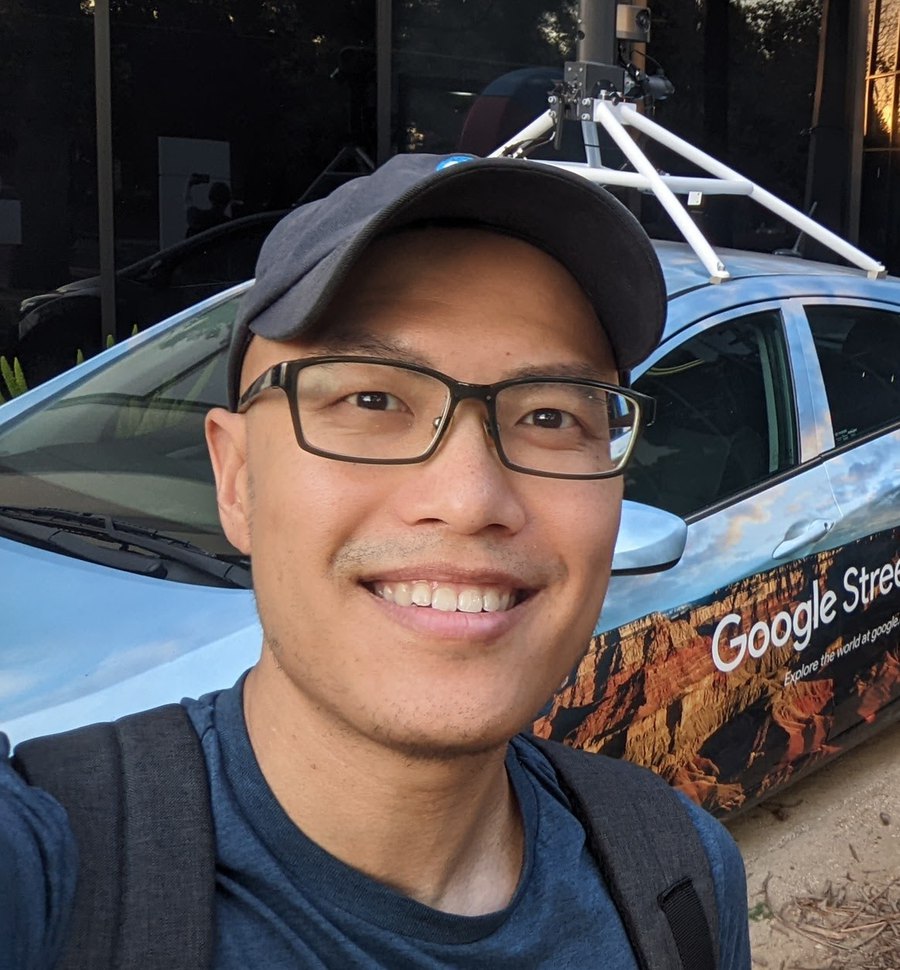
Chen-Ping Yu
Co-founder & CEO @ Atmanity
“Agents You Can Talk To: Real-Time Human Models on a Single GPU”
Agentic systems are getting good at acting; they are still bad at being present. Atmanity built a real-time, full-frame human foundation model that turns an agent into something a person can hold a live video conversation with. Run live on stage, then what it takes to serve it at conversational latency on a single GPU, where the cost actually goes, why behaviour rather than rendering is the hard part, and where this leads: an agentic world model with agents in it who behave like people.

Cheryl Yang
Co-founder @ HiRey AI
“Beyond the Feed: Personal Agents and the Future of Human Connection”
What happens when your personal agent can connect with mine? Drawing on her work building HiRey AI, Cheryl Yang explores how personal agents could reshape the way we discover information, find opportunities and build relationships — what agent-mediated social networks might look like, and the role of shared context, mutual intent, consent and follow-through in designing agent interactions that lead to human relationships worth building.

Dan Ndombe
Staff Developer Success Advocate @ Docker
“Give the Agent Its Own Machine”
What it takes to run an agent at full capability inside a boundary you set, ending with a setup you can recreate on your own laptop in minutes.

George Trushevskiy
Founding GTM @ Keenable
“Giving your agents the live web”
Keenable is a web search API built for AI agents, in production at several AI labs. A short live demo of an agent that searches the live web and reads any page as clean text in a fraction of a second, through a REST API or an MCP server that works in Claude Code, Cursor and Codex.

Jorge Alcantara
Co-founder & CEO @ Zentrik
“Build what your customers want to pay for”
Zentrik helps B2B software teams create an engagement loop with their customers to decide, prioritize and build — at scale and speed — what those customers want to pay for. How teams prioritize and test ideas with customers, then give people and AI agents the context to build.

Marcin Michalak
CTO & Founder @ AgentX
“AgentX Trace & Eval”
CI/CD for AI agents: trace production runs, turn failures into test datasets, and score candidate versions with LLM judges and sandboxed code scorers — failing versions block deployment in CI. Live traffic evaluation checks judge quality against outcomes and user feedback and reveals gaps in test coverage. Self-hosted as a single binary or container, with your own LLM keys and data kept inside your infrastructure.

Michael Mayernick
Founder & CEO @ Structure
“The Company as Source Code: typed, compiled, checked, and run by agents”
Structure turns a company’s mission, roster, standards and roadmap into typed documents on GitHub, compiled into the files Claude Code, Codex and Cursor read. A live demo builds a company repository, opens it in three agent tools, then changes one document to show how checks catch drift and keep agents aligned — while changes to what the company stands for still require human approval.

Raj Rao
Co-founder @ LayerLens
“Evaluating Salesforce Agents with Simulated Environments and Synthetic Data”
A live evaluation of a Salesforce agent in a simulated environment with synthetic customer records and a known correct outcome for every task. Follow the agent’s tool calls, inspect the records it changes, and see how grading the final state catches a failure that a convincing reply can hide — plus how LayerLens generates synthetic data and tasks with answer keys and compares agent versions on the same tasks.

Raphael Kalandadze
Co-founder & CTO @ Wandero AI
“Be the Decision Maker, Not the Manager”
Wandero is an operating system for travel and hospitality built natively on agents: sales and operations run end to end from one inbox, managed from one screen. A live run of a company’s day, from the first customer email to the final itinerary — then the harness behind it, how the agent gets context, and how its work is checked before a customer sees it. The owner makes the decisions; the agent does the managing.
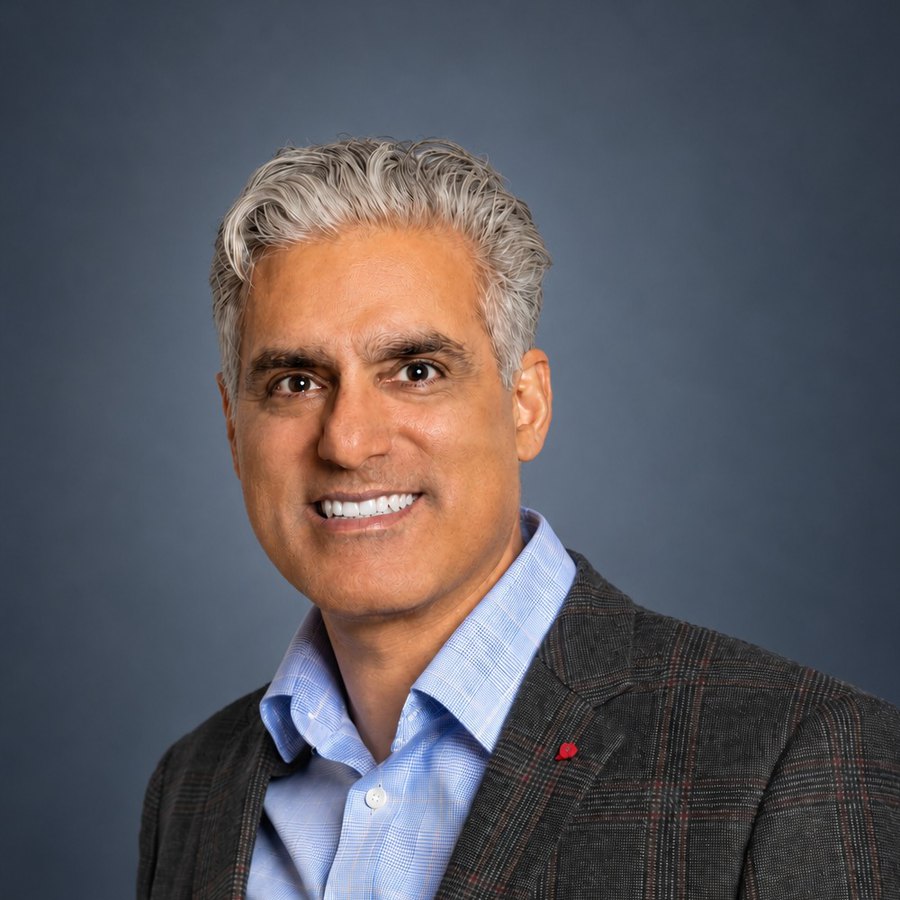
Sean Shadmand
Founder @ Grum
“Catching Design Drift in Agent-Written UI”
Investors and product leaders who score the demos and give each team direct feedback.
More speakers and judges confirming
Topics covered
- L1Agent runtime, tool use, and multi-agent orchestration
- L2Context, memory, retrieval, and agent-accessible data
- L3Inference, serving, routing, caching, and scheduling
- L4Evaluation, observability, security, and permissions
Talks and live demos, judged on the spot
- 01What the product actually does, shown working
- 02Who needs it, and the technical bottleneck it removes
- 03What is already working — users, pipeline, production
- 04What the team has learned building it
- 05Which feedback, customer, investor or partner would help most
Schedule
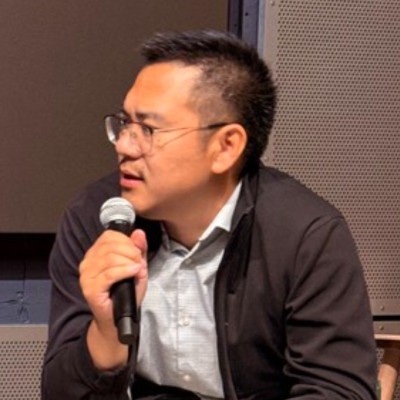
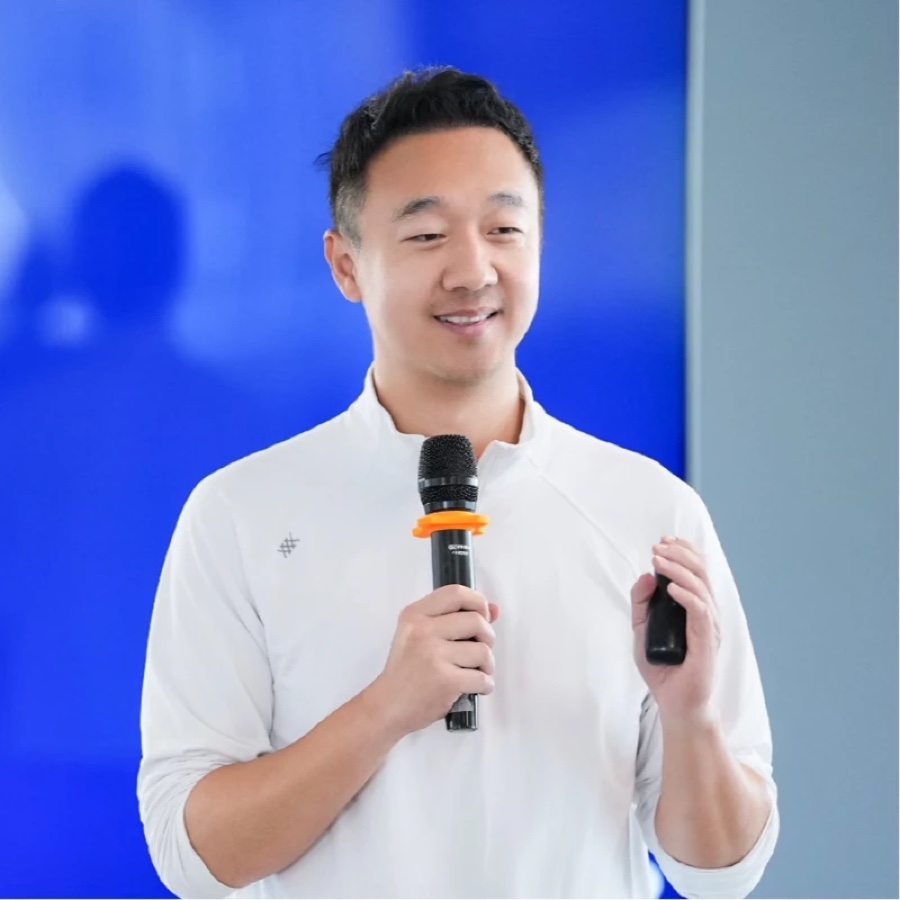

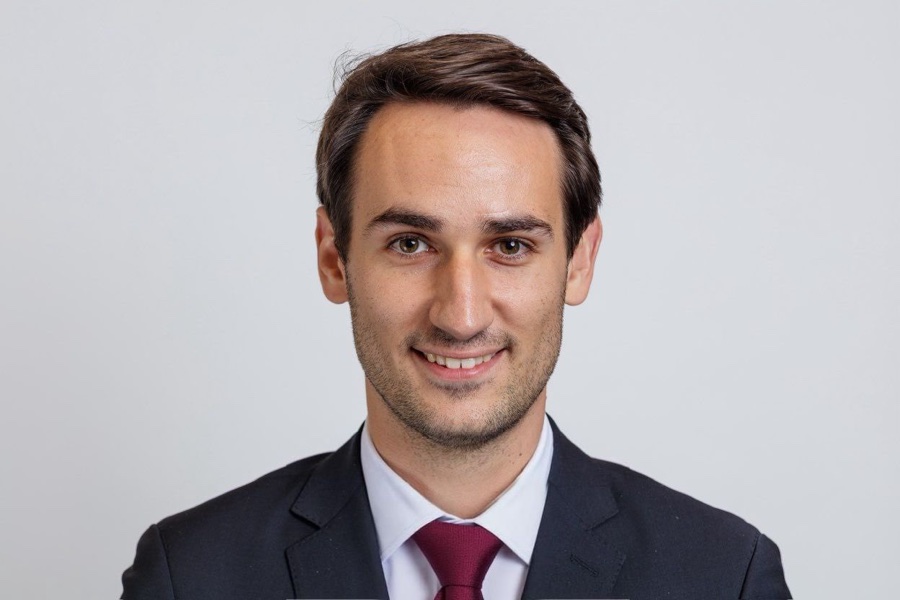 Brett (Sixty Degree Capital), Benny (Alpha Intelligence Capital), Sparsh (Salesforce), Patrick (Draper Associates) · remote
- 2 PM–2:30 PM
- Doors open, registration and networking
- 2:30 PM–3:40 PM
- Talk & Demo Round I — 5 teams
- 2:30–2:41 PM · Michael Mayernick · StructureThe Company as Source Code: typed, compiled, checked, and run by agents
- 2:41–2:52 PM · Marcin Michalak · AgentXAgentX Trace & Eval
- 2:52–3:03 PM · Raj Rao · LayerLensEvaluating Salesforce Agents with Simulated Environments and Synthetic Data
- 3:04–3:19 PM · George Trushevskiy · KeenableGiving your agents the live web
- 3:20–3:31 PM · Raphael Kalandadze · Wandero AIBe the Decision Maker, Not the Manager
- 3:40 PM–4:45 PM
- Talk & Demo Round II — 5 teams
- 3:31–3:42 PM · Cheryl Yang · HiRey AIBeyond the Feed: Personal Agents and the Future of Human Connection
- 3:42–3:53 PM · Sean Shadmand · GrumCatching Design Drift in Agent-Written UI
- 3:53–4:04 PM · Chen-Ping Yu · AtmanityAgents You Can Talk To: Real-Time Human Models on a Single GPU
- 4:04–4:15 PM · Jorge Alcantara · ZentrikBuild what your customers want to pay for
- 4:15–4:30 PM · Dan Ndombe · DockerGive the Agent Its Own Machine
- 4:45 PM–5:15 PM
- Talk & Demo Round III — 2 teams
- 5:15 PM–6 PM
- Closing & networking
Intended audience
- Agentic AI and model-layer founders
- Researchers and engineers
- Infrastructure and platform leaders
- Investors
- Enterprise AI leaders
Frequently asked questions
- Who should apply to attend?
- Founders and technical teams building agent infrastructure, models, frameworks or developer tools; researchers working on agent learning, serving, context, memory or evaluation; infrastructure and platform leaders running agents in production; and investors focused on the model and agent layer.
- How do I apply to demo?
- Email partnership@openstagesai.com. There are 12 demo slots, each 10 minutes of live demo plus 5 minutes of Q&A, reviewed on a rolling basis. Be ready to show a real product or workflow — a polished pitch deck is not required. We care about what the product actually does, who needs it, what is already working, what the team has learned, and which feedback, customer, investor, or partner connection would help most. Applying does not guarantee a demo slot or event admission.
- Who gives feedback on the demos?
- A selected group of judges — senior AI and infrastructure leaders, investors, and researchers or technical leaders from frontier AI labs — evaluates the demos and gives each team direct feedback. Interested in judging? Email partnership@openstagesai.com.
- Can my company partner with the event?
- Yes. A limited number of hospitality, community and networking partnerships are available. Partners get access to a curated group of agentic AI founders, technical builders, enterprise leaders and investors, plus structured follow-up after the event. Reach the team at partnership@openstagesai.com.
- Is the event free?
- Yes. All ticket types are free and every registration is reviewed to keep the balance of the room.
- Where exactly is it?
- San Francisco. The exact address is shared with approved guests before the event.
AI Infra Signal
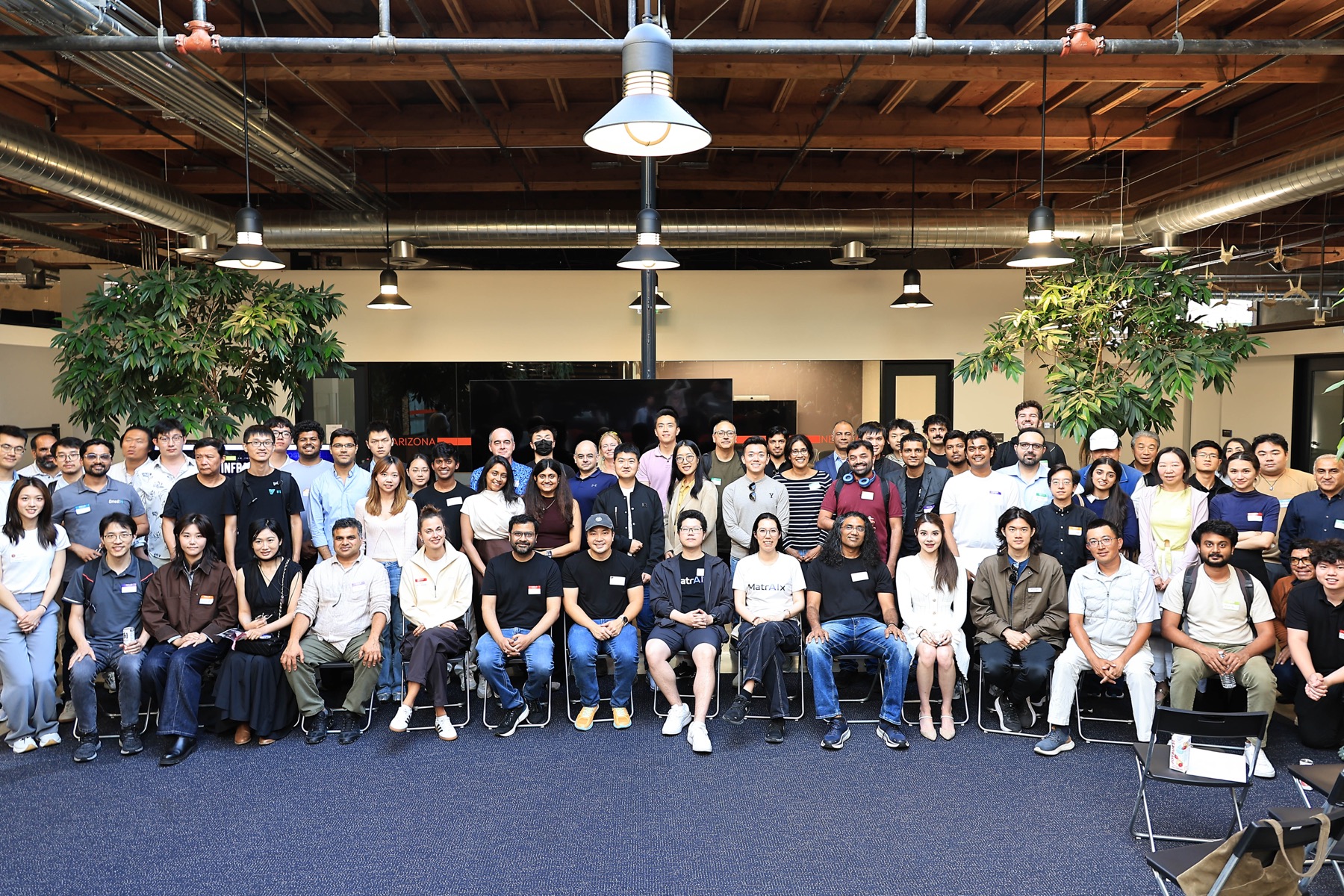
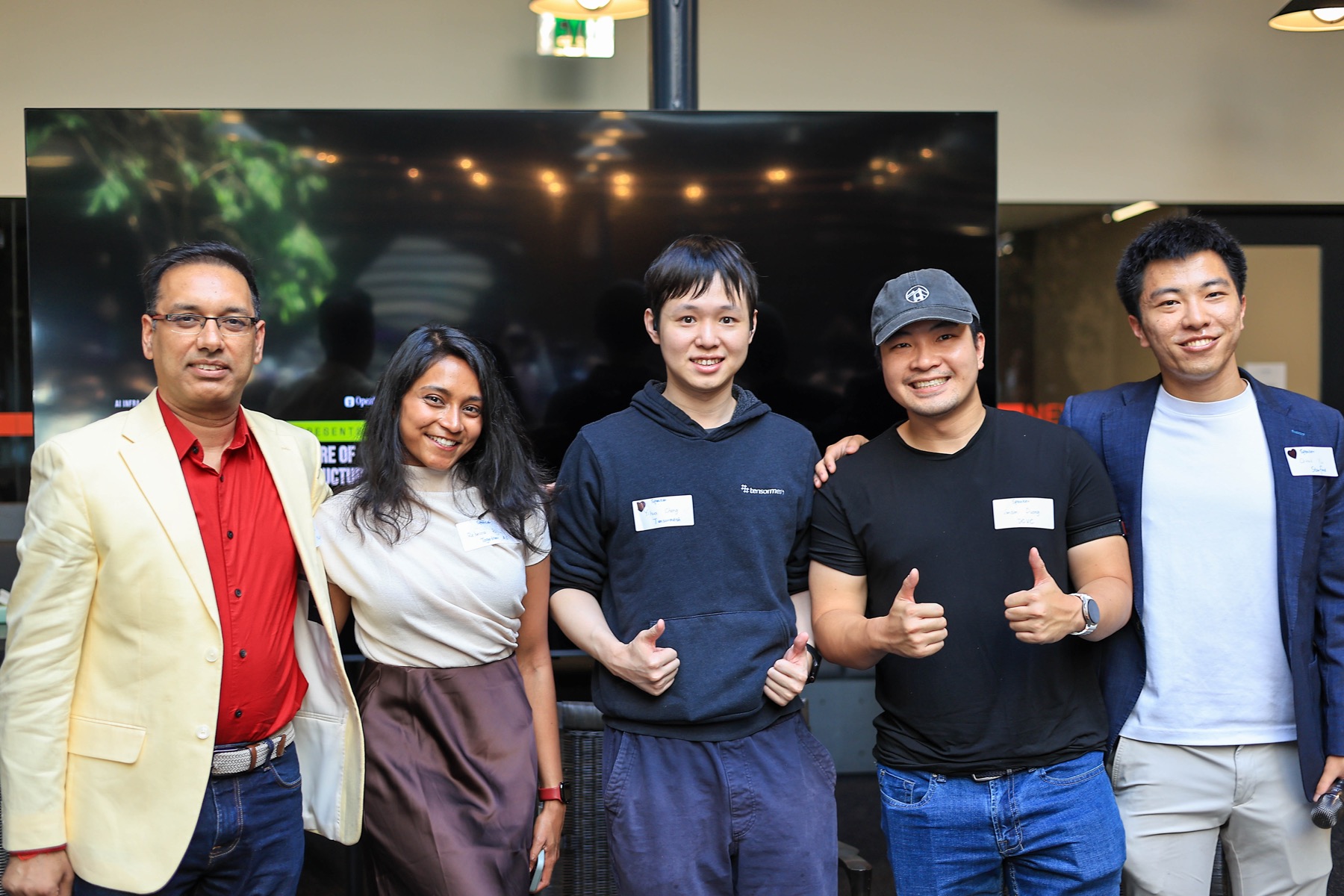
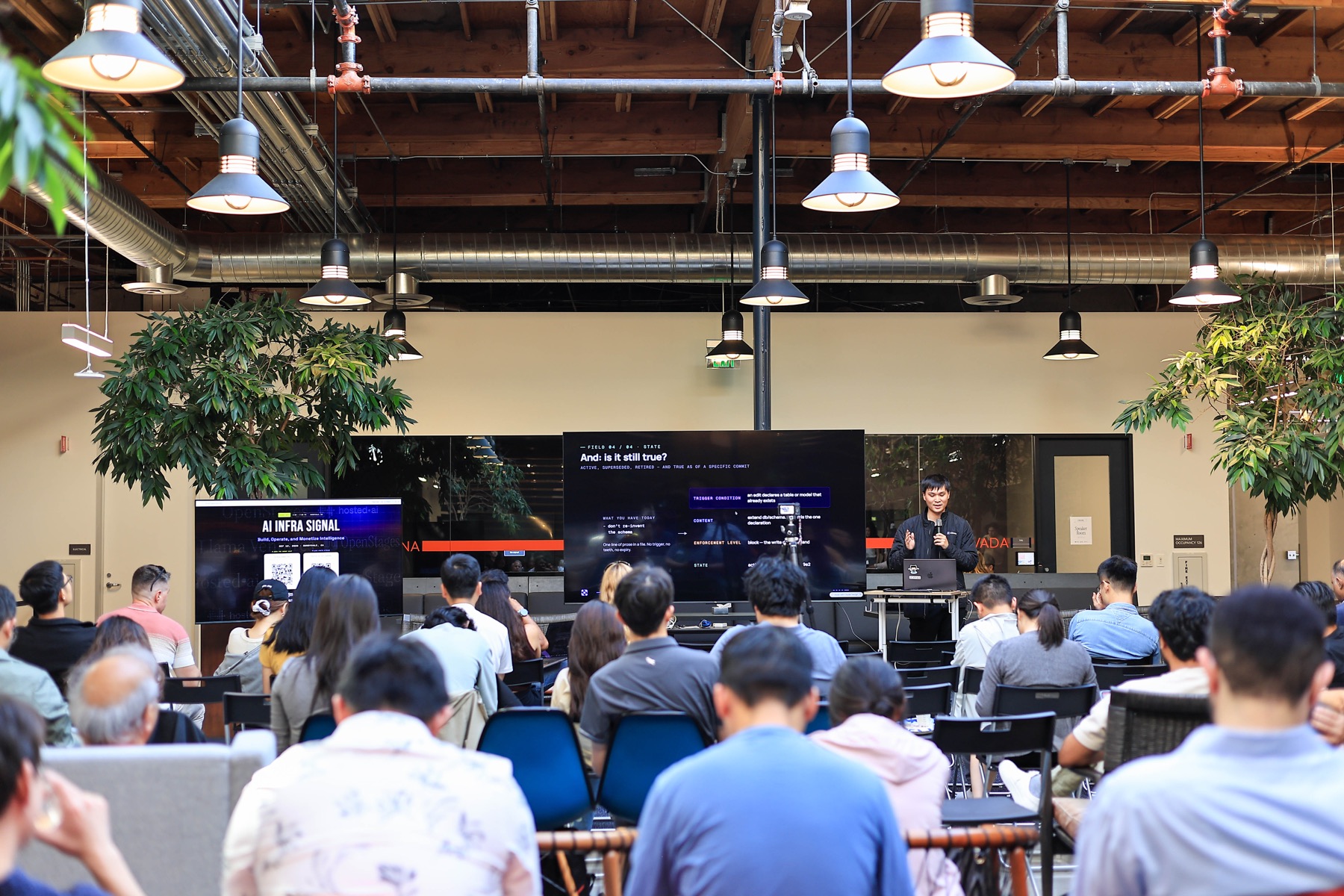
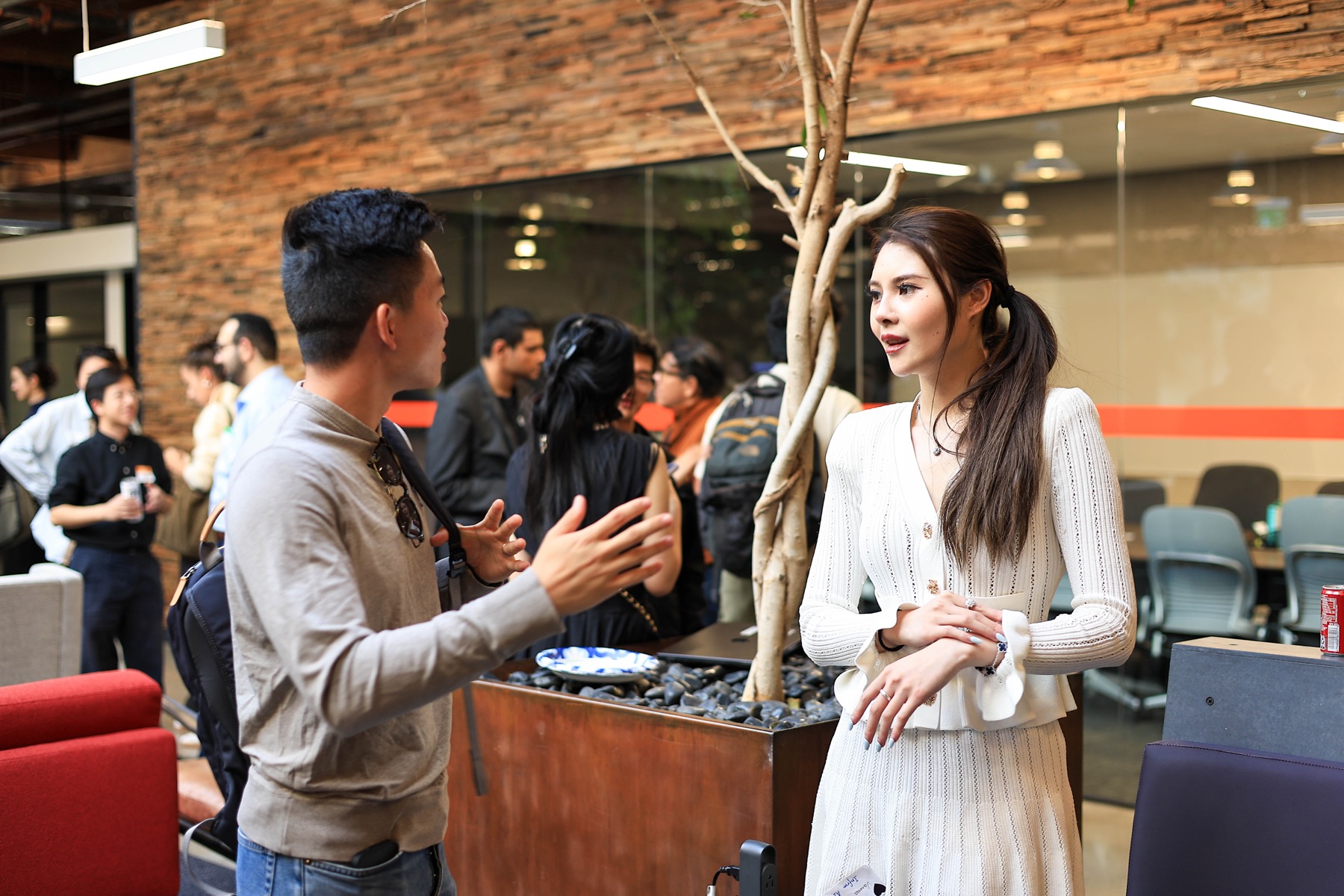
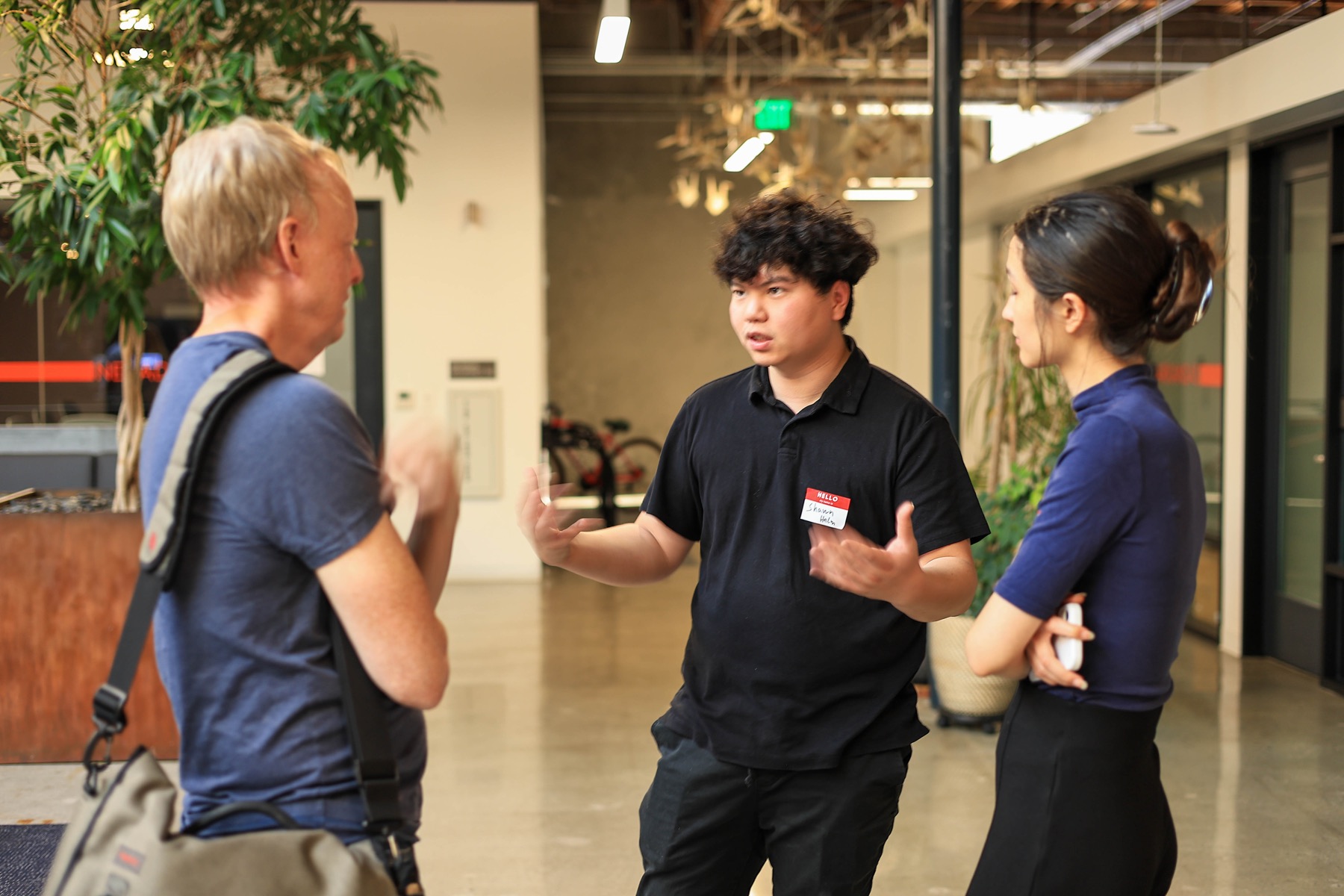
The previous OpenStages flagship — ~100 builders and investors, Sunnyvale, Sep 2026.
Agentic AI Day