Every major city has a weekly event where two hundred founders exchange LinkedIn QR codes and leave with a pocket full of cards and zero new conviction. Generic networking optimizes for contact count. Curated founder rooms optimize for something harder to measure and far more valuable: honest conversation that produces attributable insight.
Volume is the enemy of signal
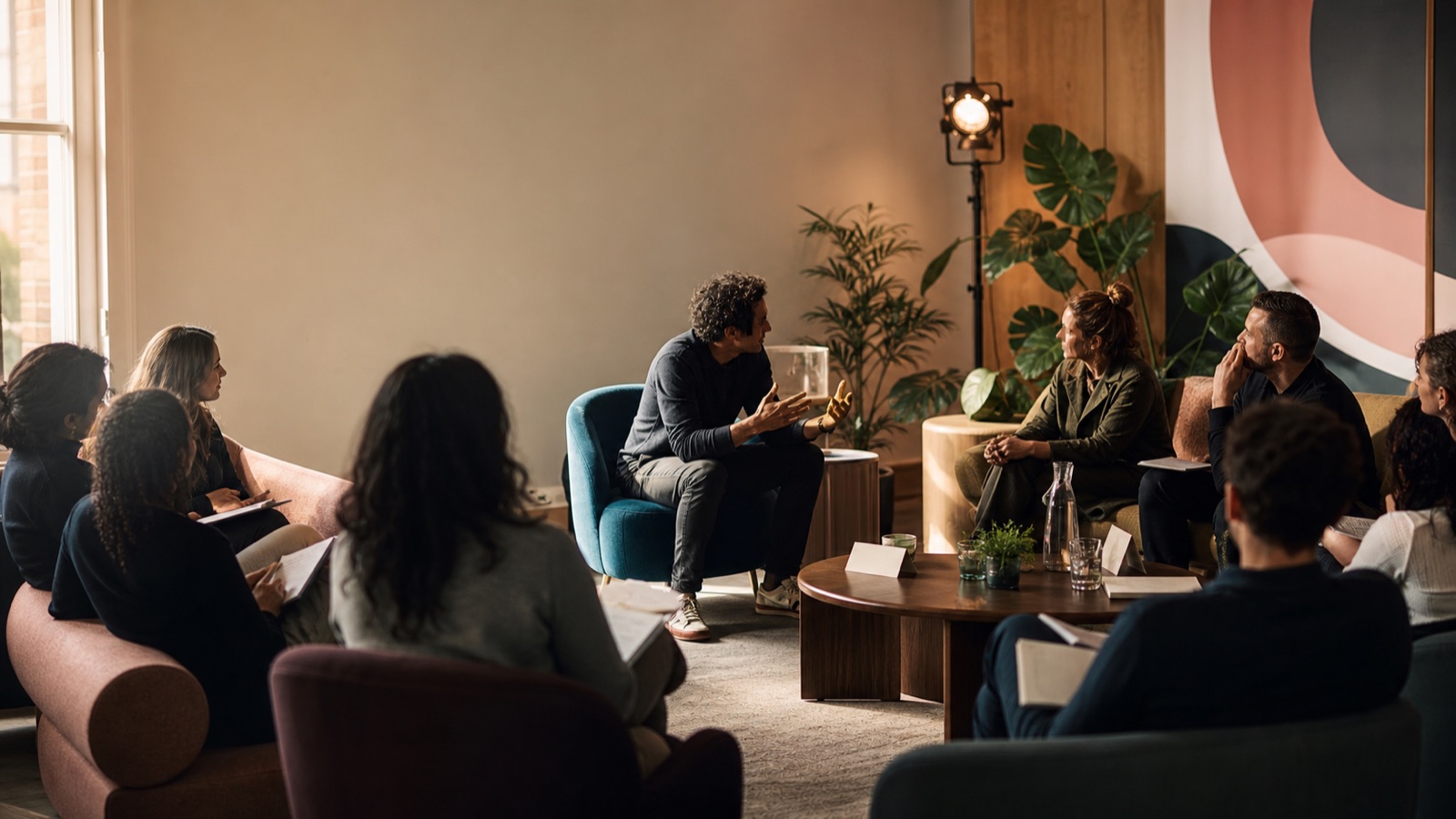
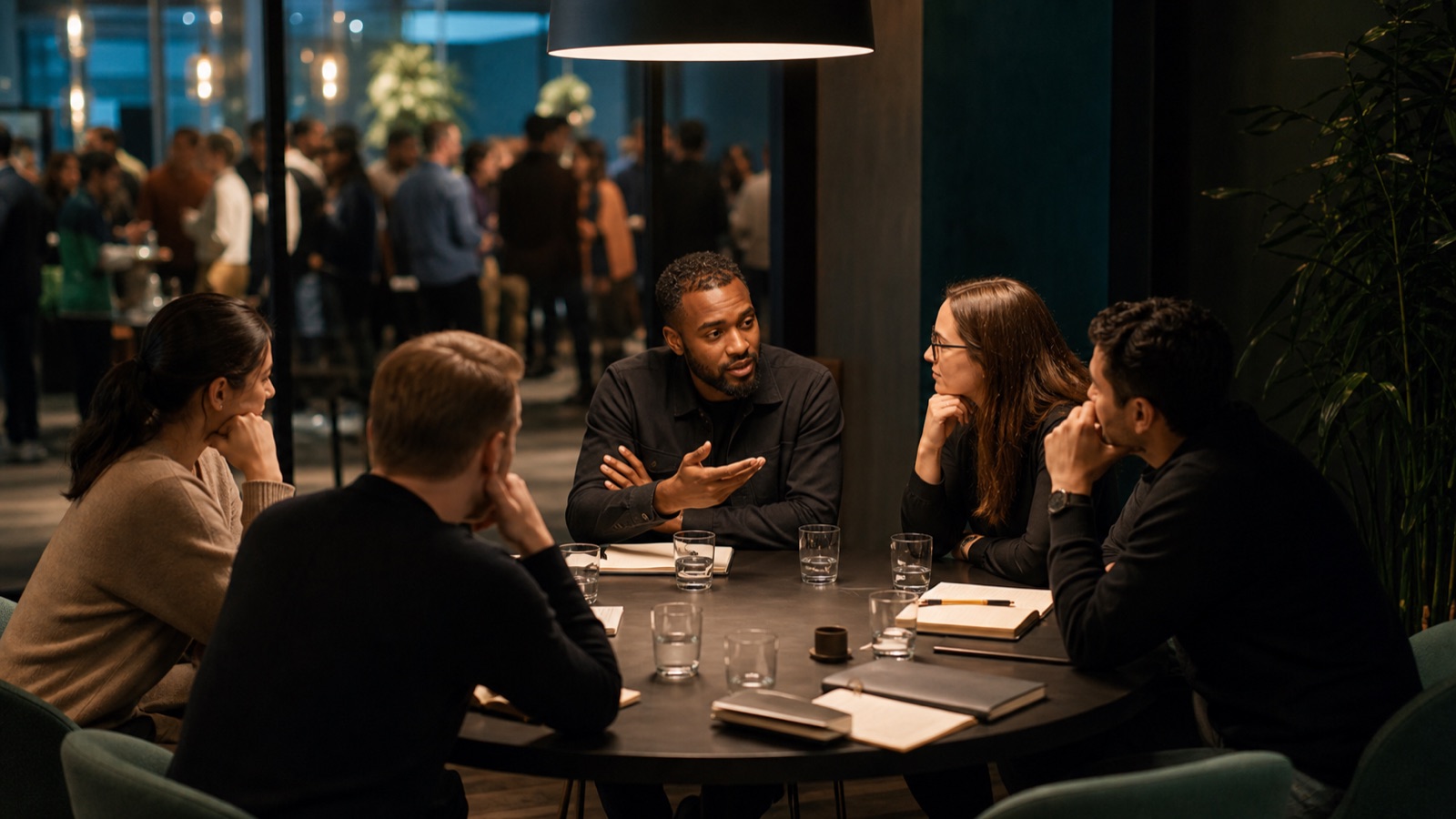
Large mixers reward extroversion and elevator pitches. They rarely create the conditions for a founder to say something they have not said before — the kind of claim that becomes a quote card, a warm intro, or a chapter in their story. Curated rooms invert the design: smaller groups, explicit topic, moderator who protects depth over speed.
- Guest lists are filtered for relevance, not headcount.
- The topic is narrow enough that disagreement is possible.
- The moderator keeps one person from dominating airtime.
- The output is captured — insights, quotes, and follow-ups — not just vibes.
What makes a room curated
Curation is not exclusivity for its own sake. It is intentional composition: founders at similar stages but different wedges, investors who will push back, operators who have seen the movie before. The best rooms feel slightly uncomfortable — someone in the circle should disagree with the thesis by minute ten. That friction is what makes the recording worth keeping.
OpenStages runs these rooms as part of a larger loop: the conversation becomes an insight drop, speakers get personal packs, and the best claims become room signals tied to real people. The room is not the end — it is the source.
Outcomes generic events rarely produce
- Attributed quotes founders can forward without rewriting.
- Warm intro suggestions based on what was actually said.
- Proof for organizers that the next room will be worth attending.
- Clear signals that help hosts know who should be invited next.
Choosing your first curated room
Start with a format where your expertise is legible in thirty minutes: a panel on your category, a salon on a problem you have solved twice, a demo day debrief where operators outnumber tourists. Avoid rooms where you are the least informed person in every conversation — but also avoid rooms where everyone already agrees. The middle is where strong community signal gets built.
Frequently asked questions
How is a curated founder room different from a private dinner?
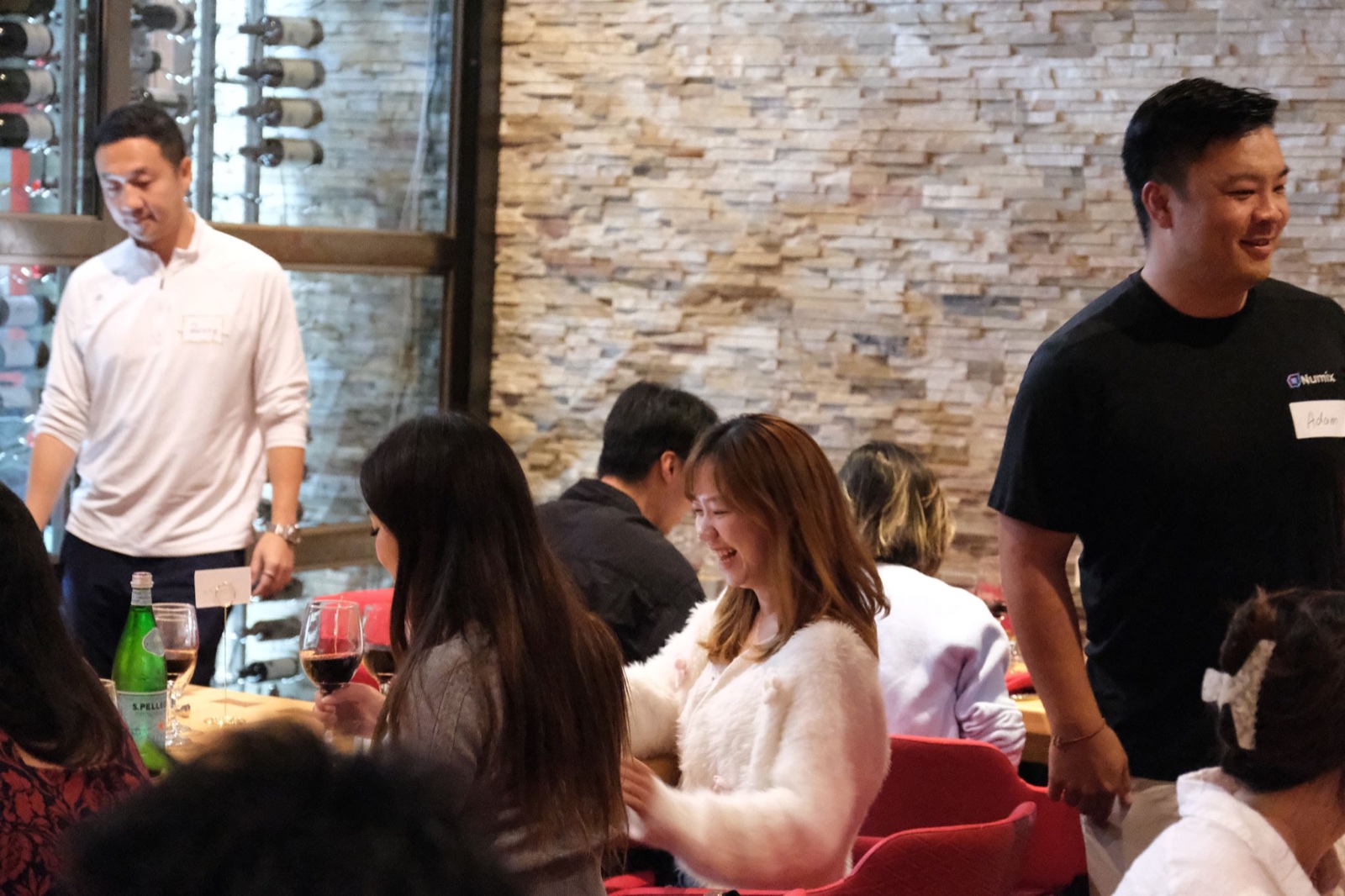
A private dinner becomes a curated founder room when the audience, purpose, and follow-up are intentional. Dinner provides time and trust; light framing, thoughtful guest composition, and useful follow-up help the value continue after the evening. See our private Bay Area founders dinner recap for a recent example.