By the final afternoon of Soulscape 2026, I had stopped counting how many times we had rewritten the run of show. Upstairs at KQED, two hundred filmmakers were racing a 48-hour deadline to finish their films. Downstairs, a thousand people were settling in for the awards ceremony. Somewhere between the two floors, I remember thinking: this is either going to hold together beautifully, or fall apart in front of everyone.
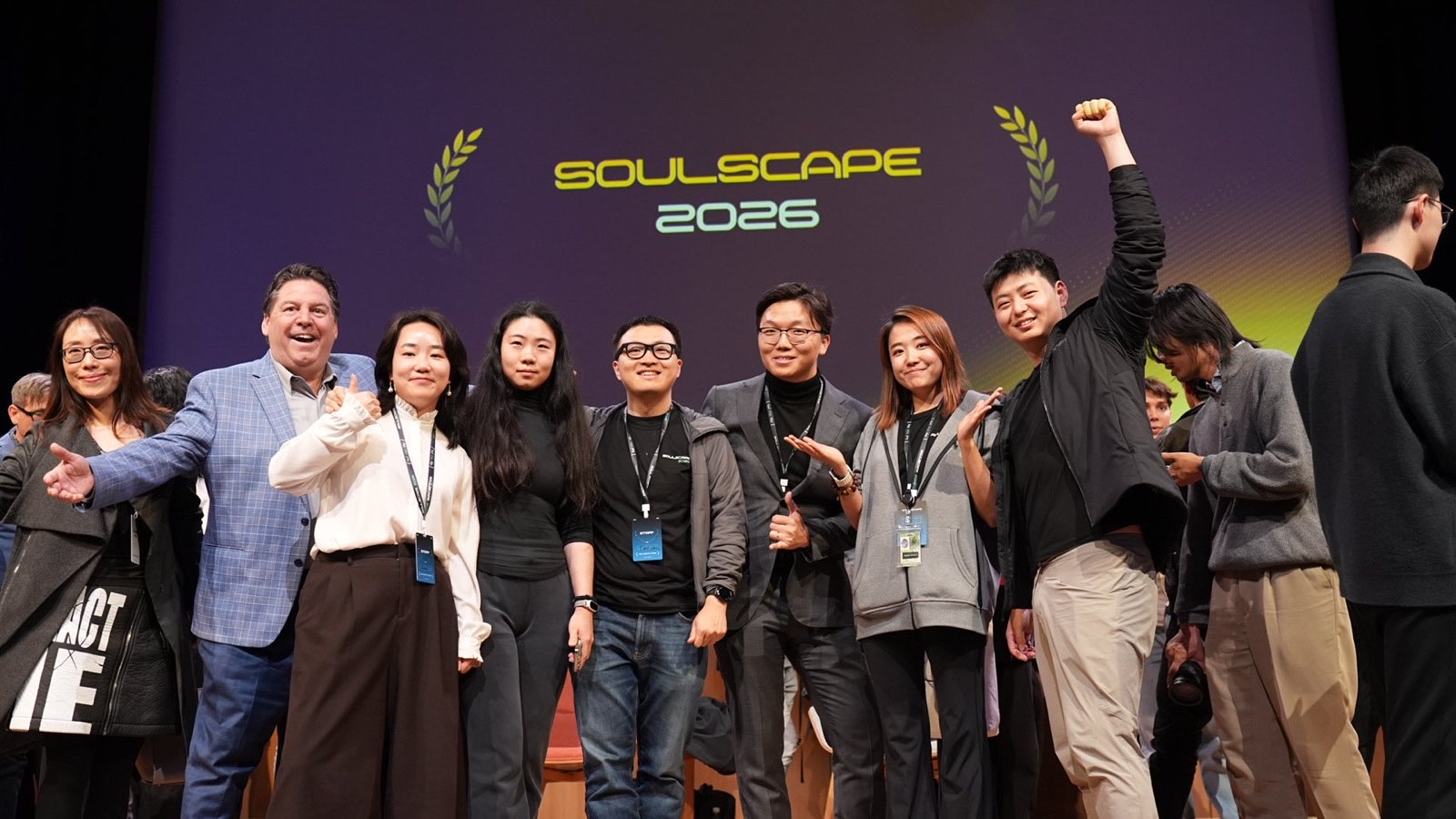
It held. I'm Toronto, the founder of OpenStages, and this April I served as Event Producer of the Soulscape 2026 Global AI Film Festival — a three-day Summit & Hackathon at KQED in San Francisco, covered by The Hollywood Reporter and KTVU Fox 2. This is the story of that weekend: what we built, who showed up, and what the room said about it afterwards.
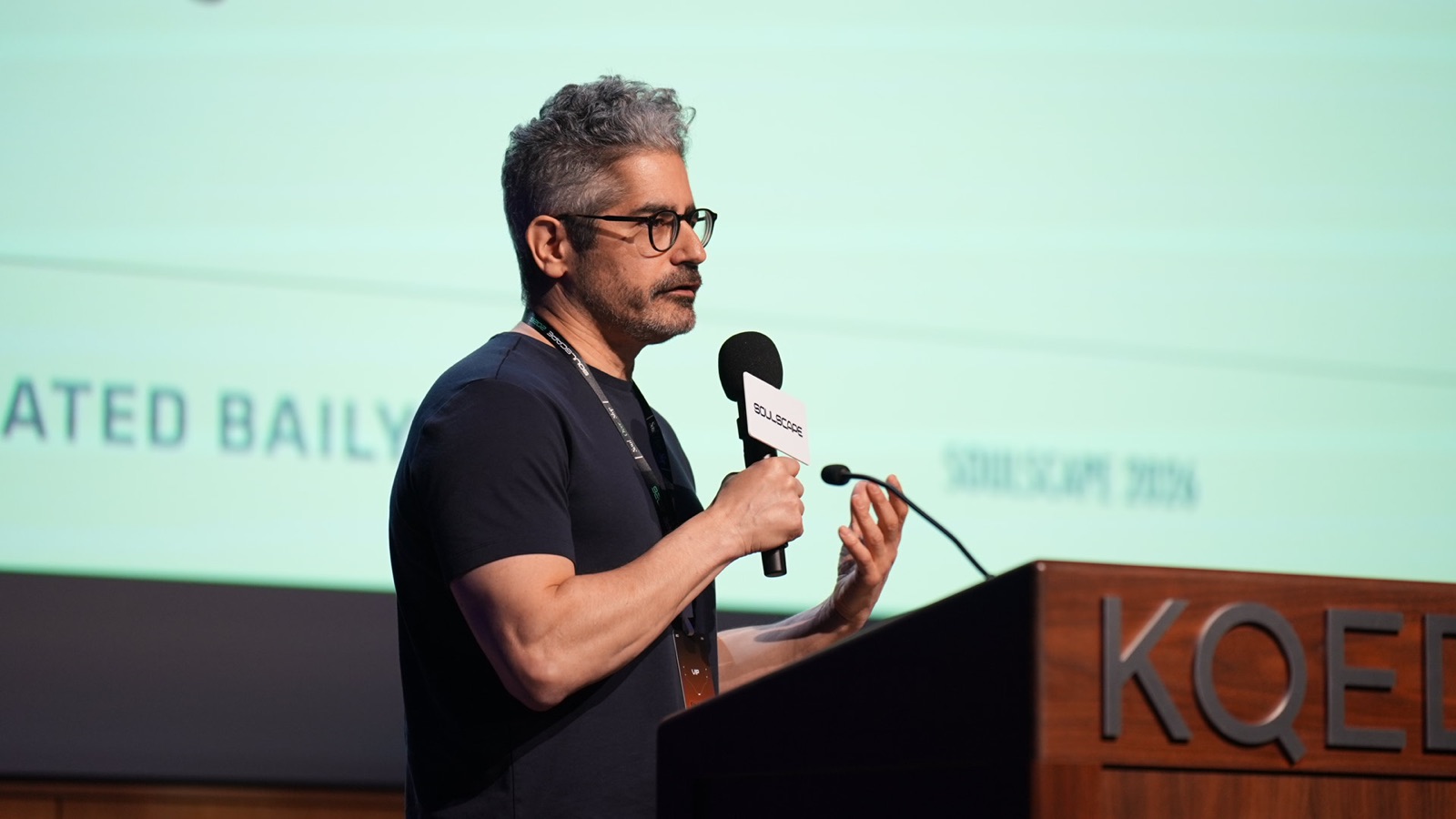
Not a conference. Not a film festival.
Soulscape's founder Keith Zhang liked to describe the vision as “a16z meets A24” — a new narrative infrastructure where the relentless builder mindset of Silicon Valley meets the storytelling magic of Hollywood. Two hundred creators were selected from more than two thousand applicants around the world and flown into San Francisco. The pitch to them was simple, and a little audacious.
Traditional film festivals ask you to wait. We ask you to build.
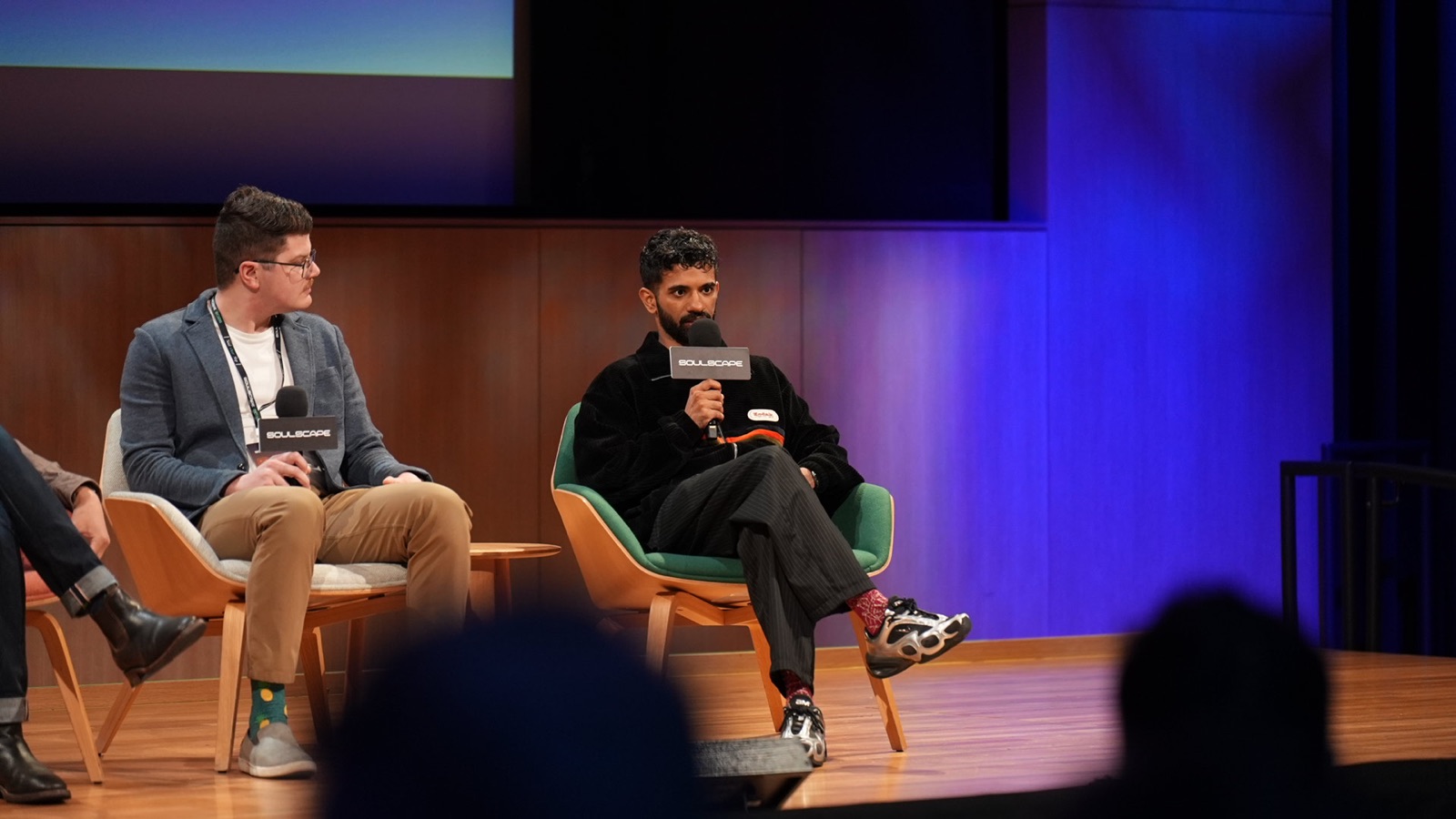
That ambition became a dual-track weekend under one roof. Upstairs, the Cinema Lab: two hundred filmmakers locked in for 48 hours, challenged to produce cinematic-grade AI short films from a blank page. Downstairs, the Summit: Hollywood pioneers, Oscar winners, and Silicon Valley visionaries — executives from Paramount, Warner Bros., and Sony, creative leads behind The Matrix and Pixar, builders from OpenAI, Gemini, and MiniMax — debating what storytelling becomes when anyone can render anything.
My job was to make those two rooms work as one event. Program structure, run-of-show, the judging pipeline, the KQED partnership, the MC, the catering, the volunteers — and the thousand small decisions nobody notices unless one of them goes wrong. A first-of-its-kind event means there is no playbook; every day tested both operational precision and creative vision.
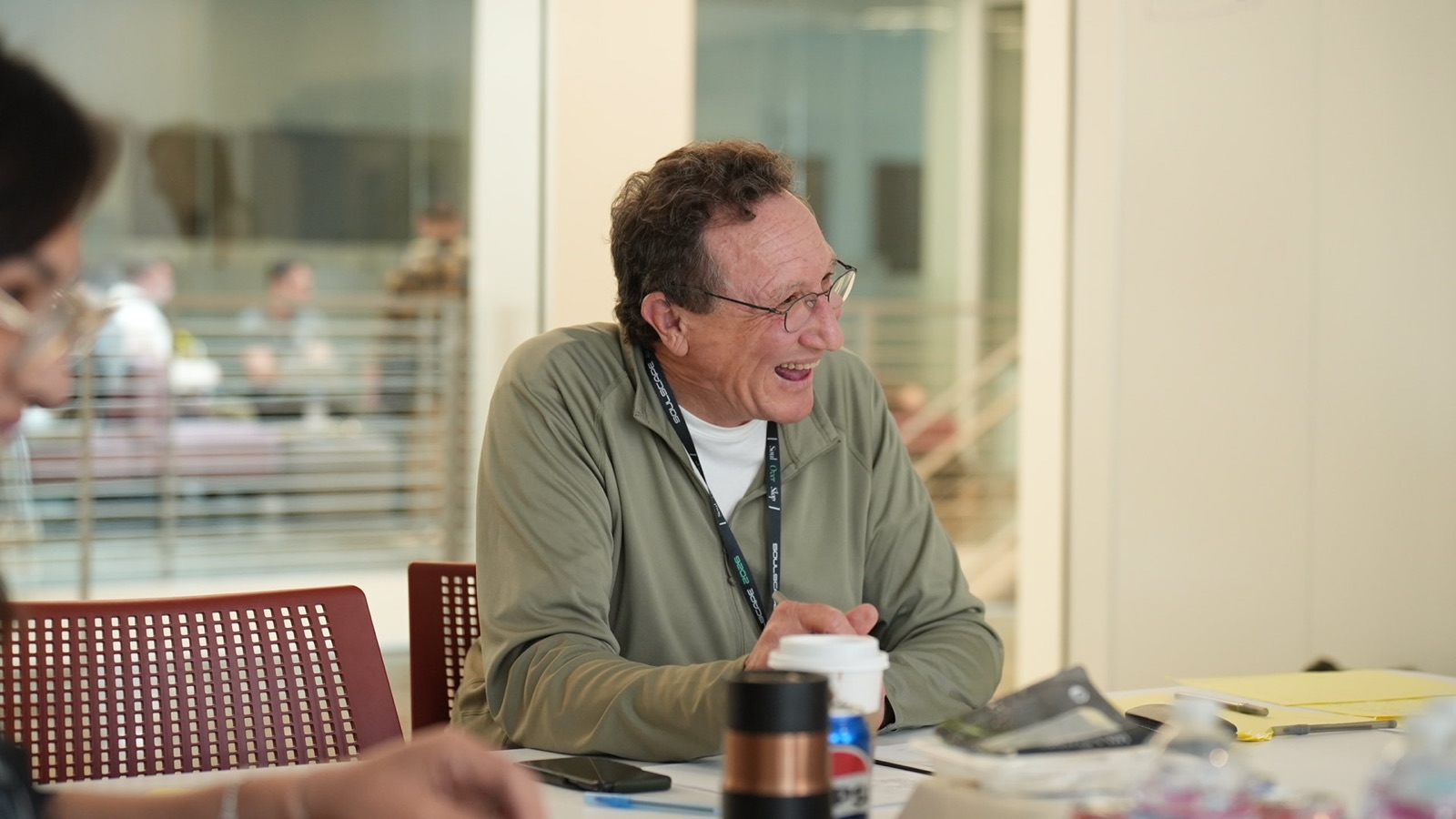
Watching teams go from zero to a complete AI-generated film in just 48 hours was nothing short of magical. It felt like witnessing a new creative paradigm unfold in real time. Thirty-nine films came out of that room. The best of them were judged by a jury chaired by John Gaeta — the Oscar-winning visual effects supervisor behind The Matrix — alongside Pixar veterans, the president of the Hollywood Professional Association, and executives who had spent careers at MGM, Sony, and Warner Bros.
The festival's motto was “Soul over Slop,” and it is the idea from that weekend I keep coming back to. As AI collapses the cost of making things, generation is no longer the constraint — taste, intention, and the soul behind the work are. The winning films weren't the most technically impressive ones. They were the ones where you could feel a person behind the frame.
What the room said afterwards
You don't have to take my word for any of this. The people who were in that room wrote about it themselves. Here is some of what they posted — quoted from the original LinkedIn posts, each card linking back to the source.
Keith Zhang
Founder, Soulscape
“When we envisioned Soulscape, we didn't just want to host another tech conference or film festival. We wanted to build a unified ecosystem — a new narrative infrastructure (think a16z meets A24).”View the original post on LinkedIn
Keith Zhang
Founder, Soulscape
“AI is democratizing the creation of cinema, but it cannot democratize the soul of cinema. That belongs to us. If we allow algorithms to dictate our narratives, we lose the very thing that connects us. Soulscape is the counter-movement. Soul over Slop.”View the original post on LinkedIn
John Gaeta
Founding Chair, Soulscape 2026 · Oscar-winning VFX supervisor, The Matrix
“Stop generating frames. Start building worlds.”View the original post on LinkedIn
Saloni Patel
AI filmmaker · Top 5 Best Film, Soulscape 2026 Cinema Lab
“Script → pipeline → 18 shots → edit → 3-minute short → Top 5 Best Film. In 48 hours. AI cinema is not about rendering. It is about intent. My intent, story, voice, cut, carried this film.”View the original post on LinkedIn
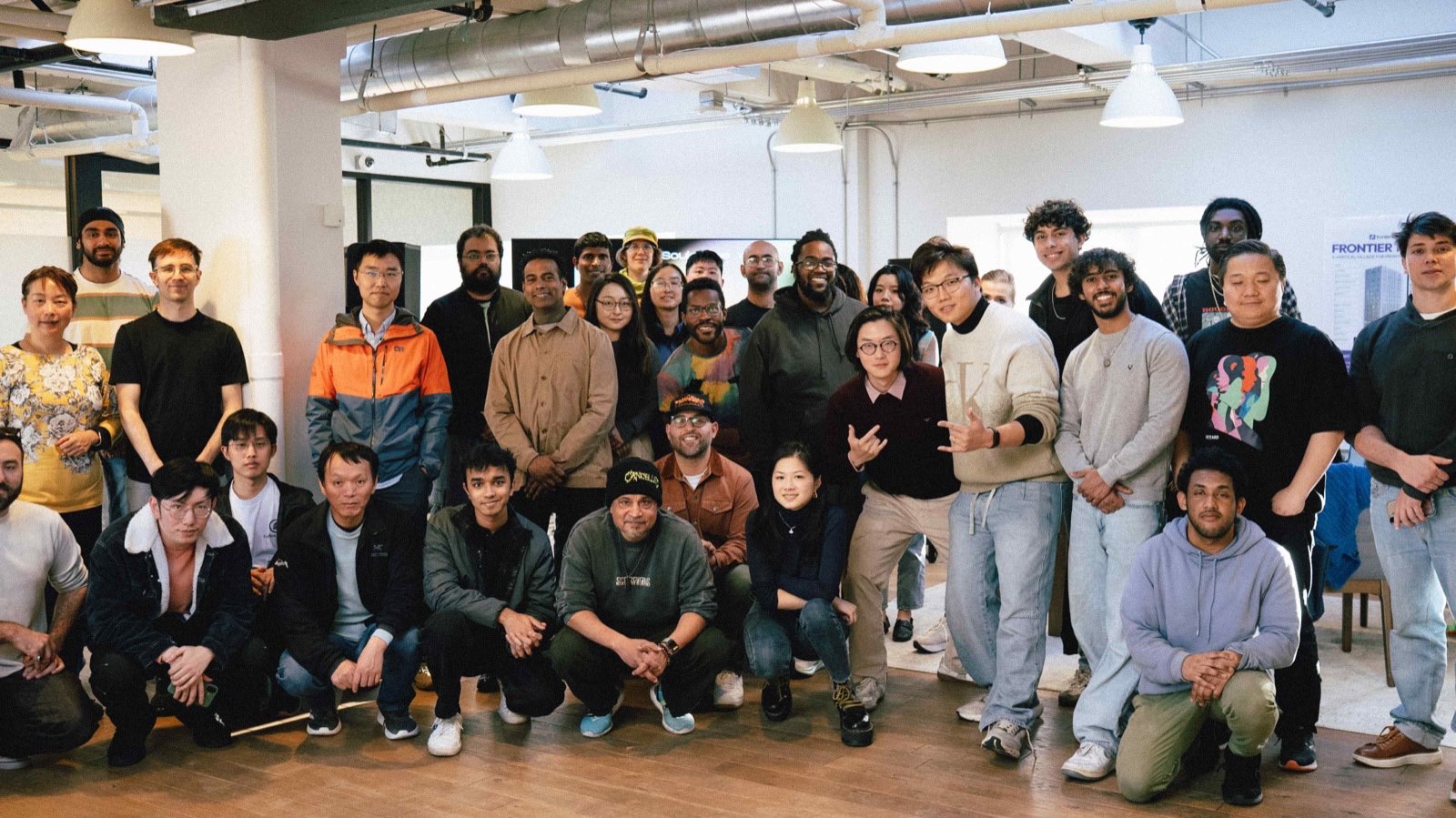
When the right people gather around a shared vision, momentum builds naturally.
Why I'm telling you this
Because the same craft scales down. The discipline that carries a three-day festival with an Oscar-winning jury — sharp program design, the right people in the room, tight execution, and follow-up that keeps working after the lights go down — is exactly what makes a twenty-person founder salon or a two-hundred-person GTM launch actually land. Most events fail quietly, in the details: the guest who was never briefed, the panel that ran long, the room that emptied before the conversation started.
At OpenStages we now put that experience to work for founders and companies — from intimate salons to launches that need serious guests in the room. If the bar for trusting an event team is proof, this weekend is ours. And if you're planning something ambitious, I'd genuinely love to hear about it.
Original posts and press coverage